OUR
METHOD.
A modern approach to learning Jiu-Jitsu — built on how humans actually develop skill.
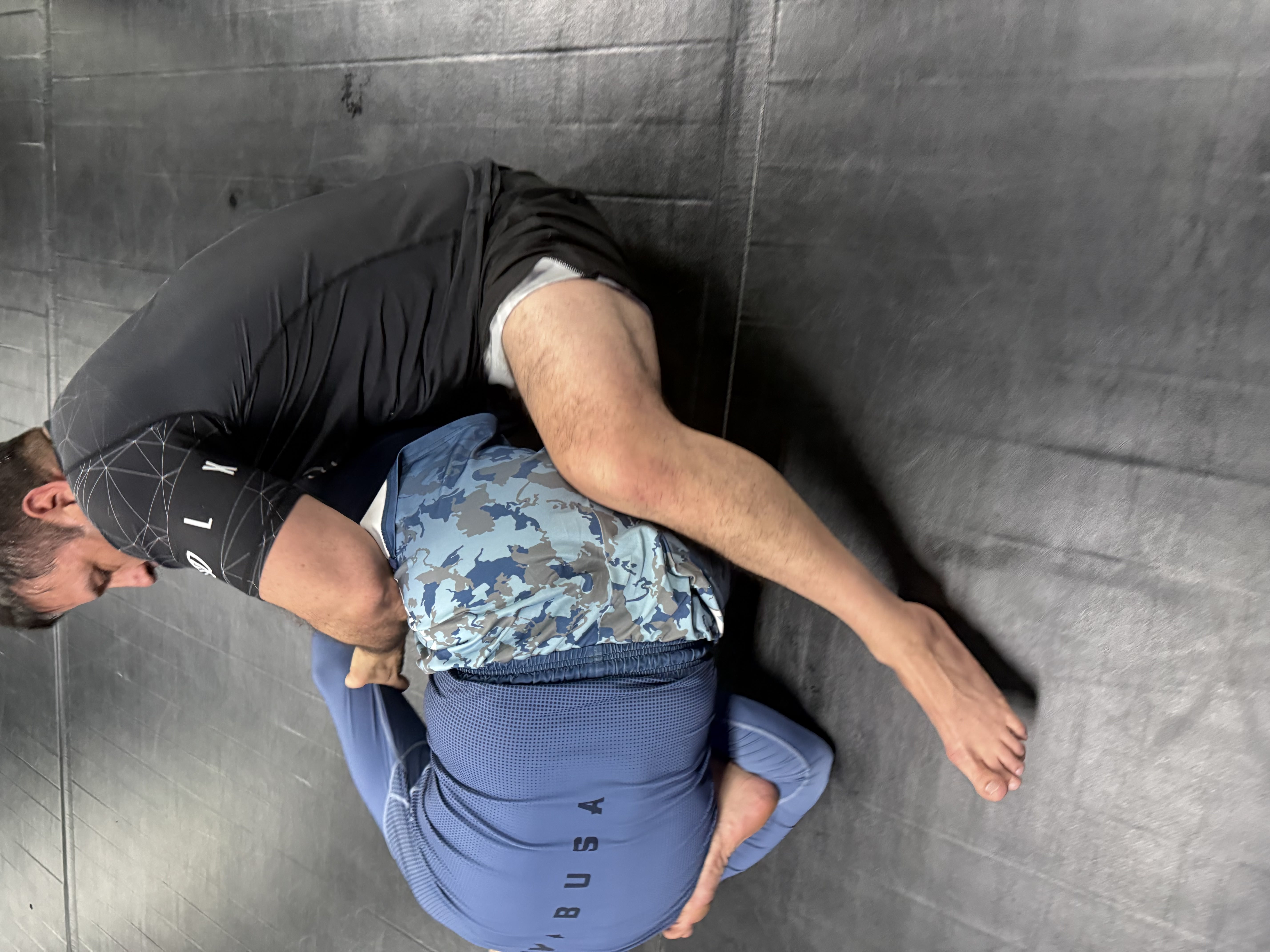
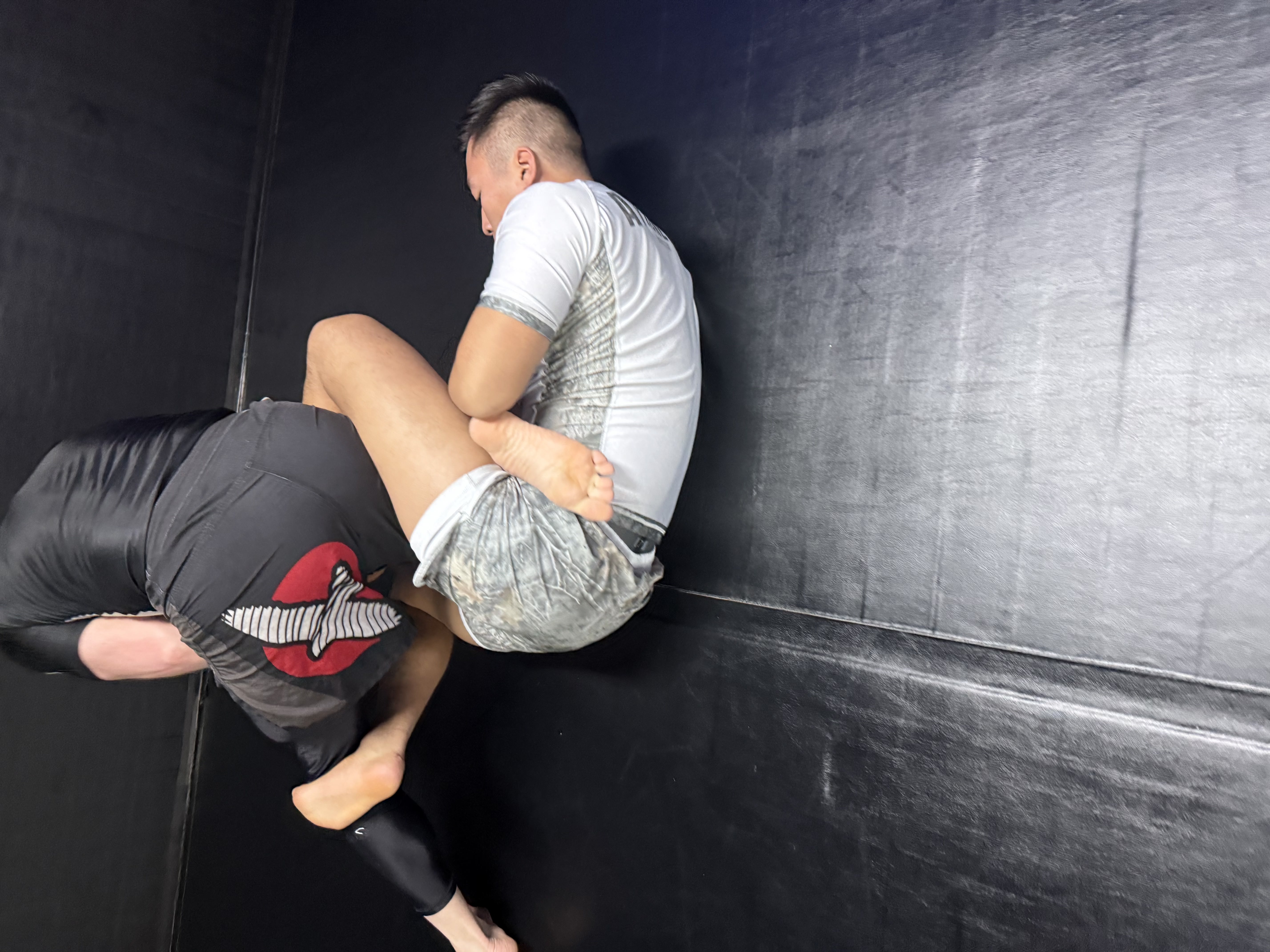
At Ann Arbor BJJ every class — kids, adults, Foundations to Advanced — is coached with the Constraints-Led Approach and Ecological Dynamics. Students develop skill by solving real grappling problems against resisting partners — from day one.
Movement solutions emerge through live interaction with the opponent, the task, and the environment. The result is adaptable, functional Jiu-Jitsu that holds up under pressure.
WHY WE
TEACH THIS WAY.
Research in motor learning points one way: skills transfer better when practice resembles the real performance environment. So that is where we start — every class is built around live grappling, not around a demonstration.
In grappling, students must perceive opportunities, adapt movement, and make decisions in real time against a resisting opponent. Training should reflect those demands — not strip them away.
Techniques aren't fundamentals. They're emergent solutions to specific problems — shaped by the body, the task, and the partner in front of you.
When training is structured around live problems instead of memorized sequences, students develop the qualities that make Jiu-Jitsu actually work:
- Timing
- Adaptability
- Perception of openings
- Decision-making under pressure
- Renshaw, Davids, Newcombe & Roberts (2019) The Constraints-Led Approach
- Pinder, Davids, Renshaw & Araújo (2011) Representative Learning Design and Functionality of Research and Practice in Sport
- Davids, Button & Bennett (2008) Dynamics of Skill Acquisition
- Souders, G. (Standard Jiu-Jitsu) — CLA applied to BJJ
THE CONSTRAINTS-
LED APPROACH.
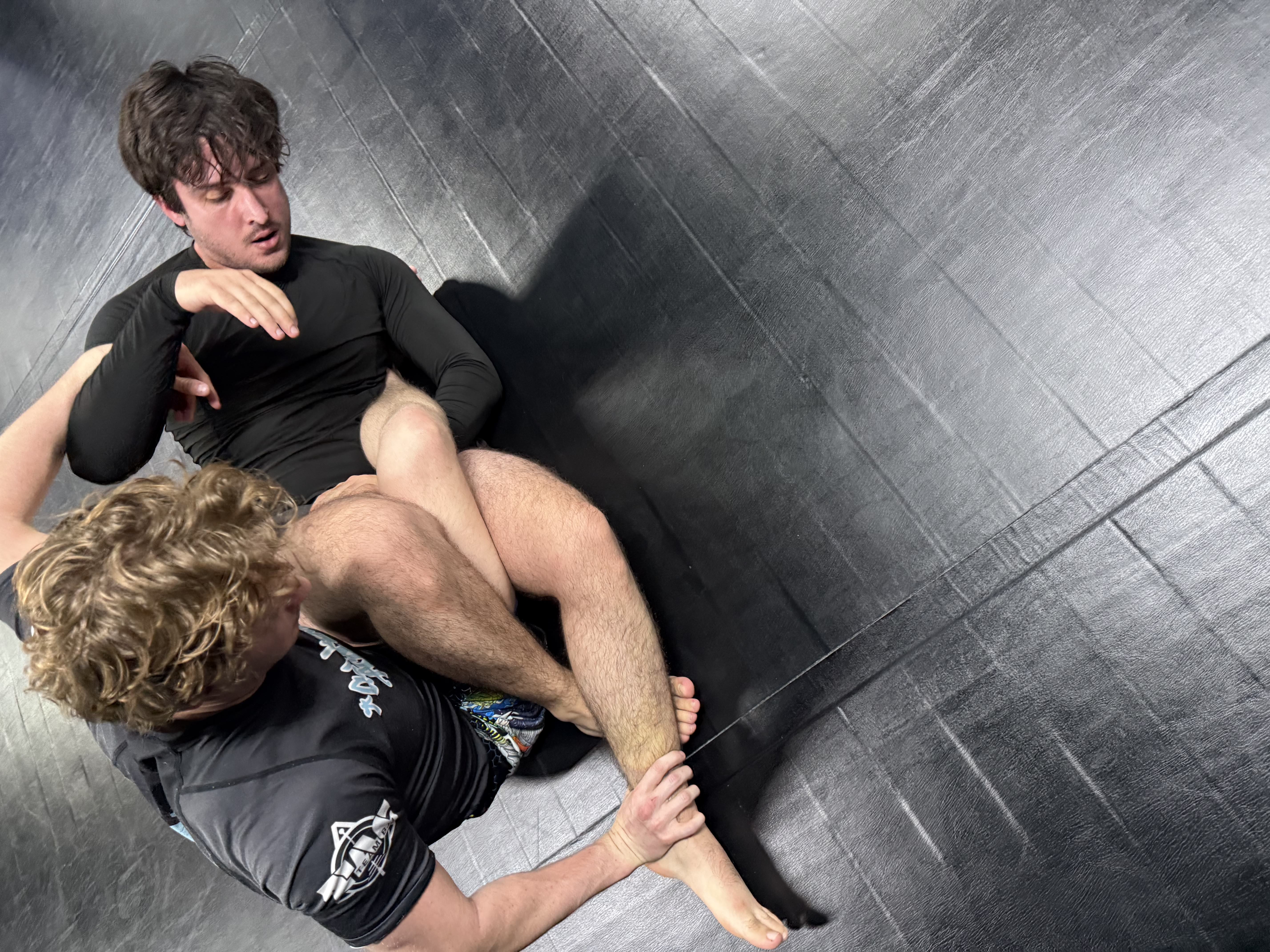
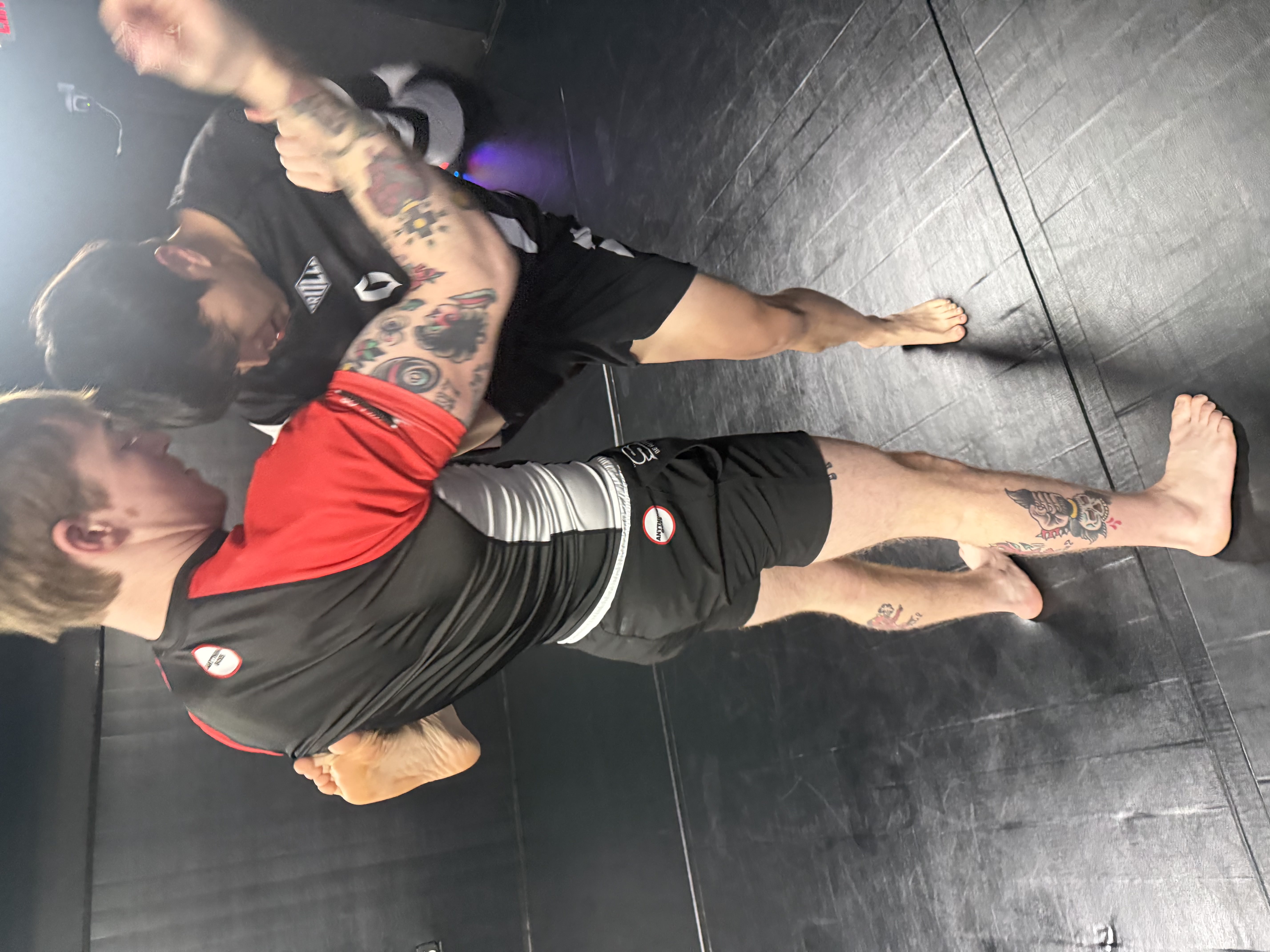
The Constraints-Led Approach (CLA) is our coaching method, rooted in ecological dynamics. Skill emerges from the interaction between the individual, the task, and the environment. Coaches design those interactions — instead of prescribing every movement — so students discover solutions that actually work for them.
Every student brings unique characteristics into training. Our method develops solutions that work for their body and style — not identical techniques forced across every student.
The structure of the activity shapes behavior. Each training game has a specific task focus — a starting position, a goal, and rules that constrain what's available. Adjust the task and you change what the student perceives, attempts, and ultimately learns.
The training environment shapes the skill. Live partners, real resistance, fatigue, and competitive pressure all change what works — so we train in conditions that match real grappling rather than stripping them away.
REPRESENTATIVE
TRAINING.
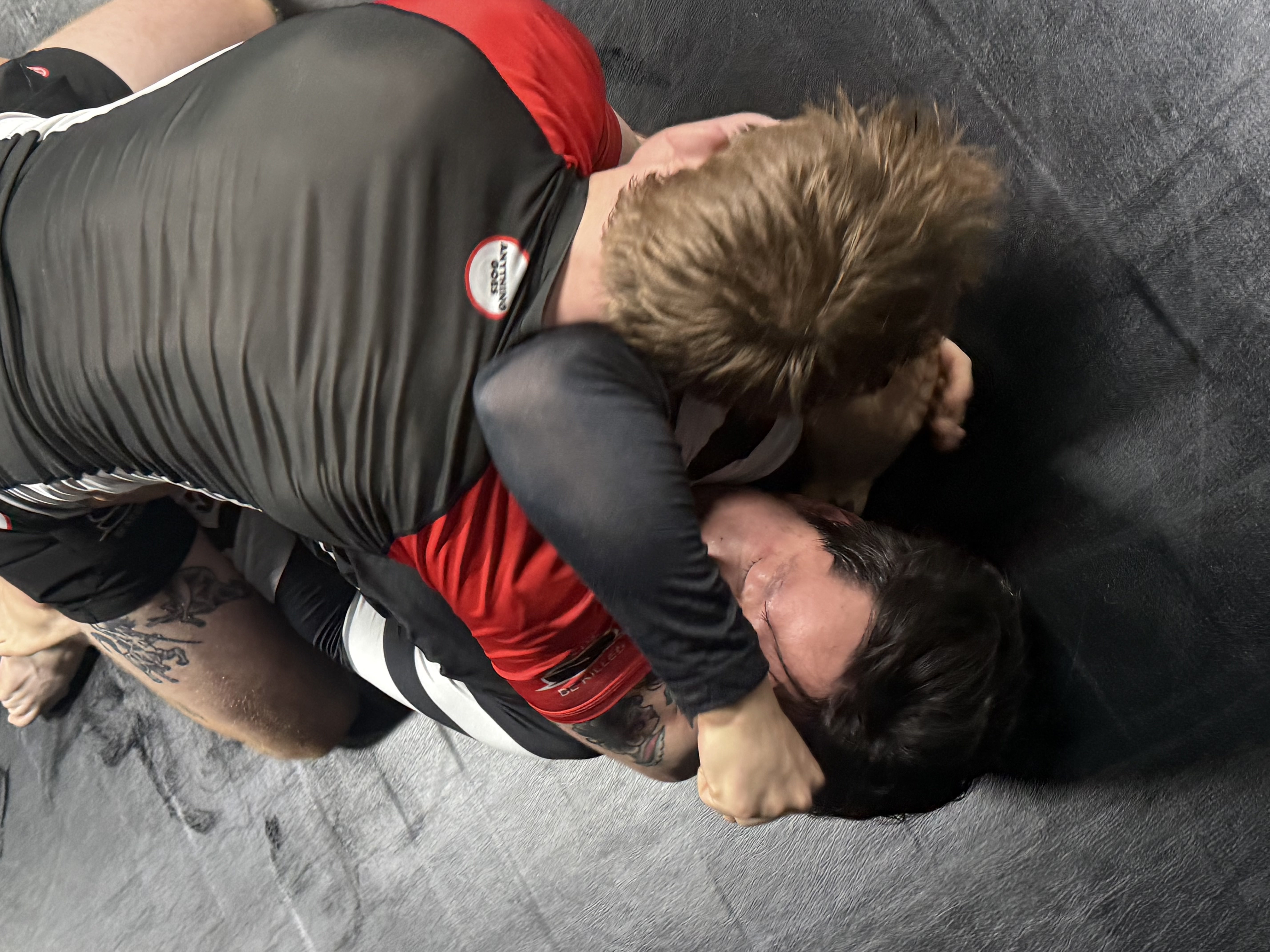
Practice should represent the demands of real grappling. This principle — Representative Learning Design — means training tasks include the information, resistance, and decisions students will actually face on the mat.
Every task is live, unscripted, and uncooperative within its rules — what we call "scaling the live work." Solutions emerge from the interaction.
- Realistic resistance — partners actively trying to solve their own problem
- Decision-making under pressure
- Live positional exchanges from start to finish
- Continuous interaction with an opponent
GUIDED
DISCOVERY.
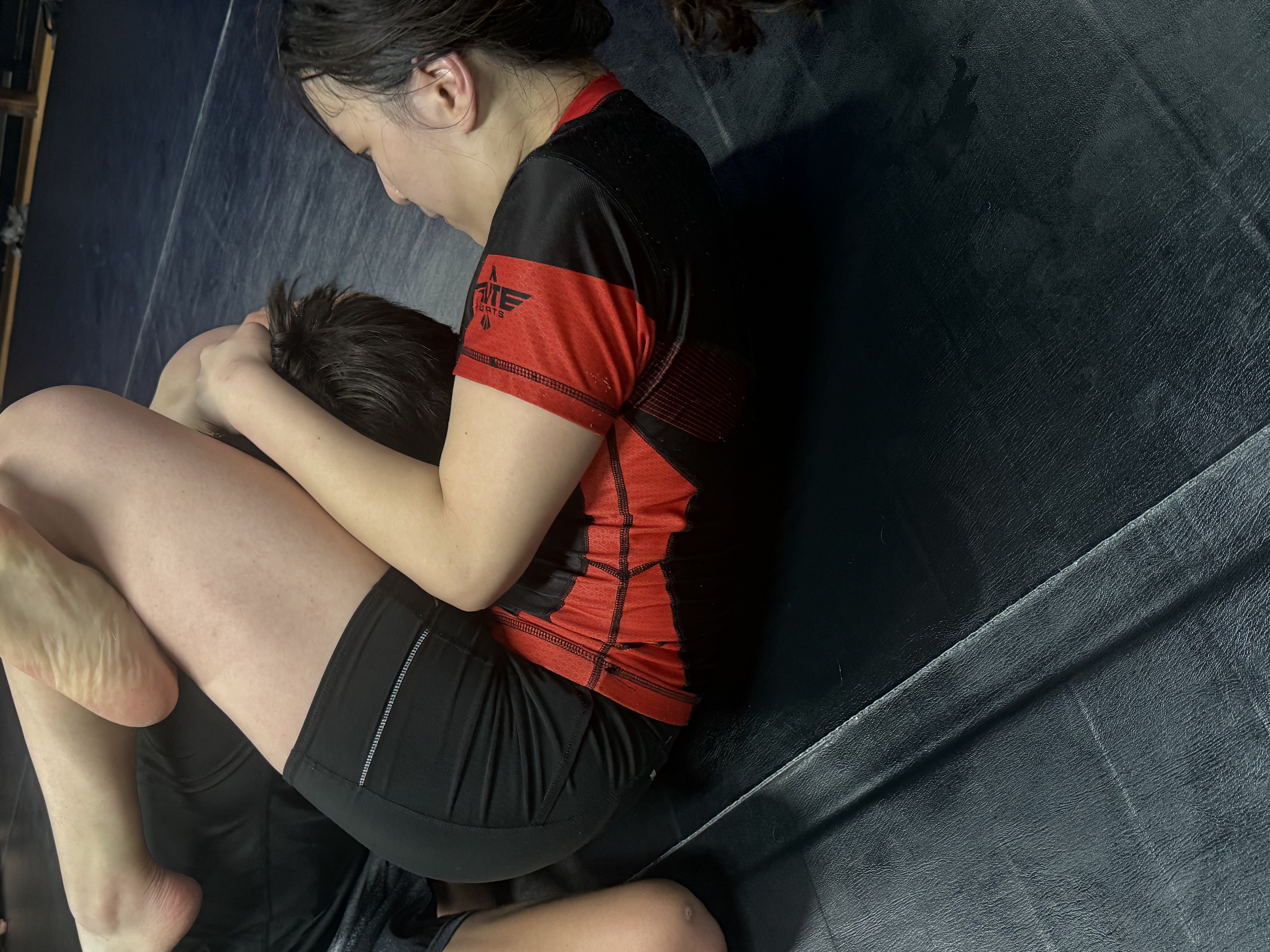
Coaching in this method is about shaping the training environment — not narrating every movement. The coach designs the game, sets the constraints, and gives feedback that helps students refine what they discover.
Instead of memorizing sequences, students learn to recognize opportunities and adapt. The skill belongs to them because they built it. That's why it sticks under pressure.
Good coaching designs the problem. The student builds the solution.
EVERY STUDENT
SOLVES IT DIFFERENTLY.
Different bodies, different instincts, different solutions — all built through the same process. Skill that's yours, not a copy of someone else's.
NON-LINEAR
SKILL DEVELOPMENT.
Skill acquisition isn't linear. Progress involves experimentation, variation, and temporary setbacks — especially when students are discovering solutions instead of copying them.
The Constraints-Led Approach embraces variability. Students explore many solutions to a problem and refine their movement patterns over time. That variability is what builds students who hold up against unfamiliar opponents and styles.
A student who has explored ten solutions to a problem is more dangerous than one who has memorized one.
- Chow et al. (2007) The Role of Nonlinear Pedagogy in Physical Education
- Davids, Button & Bennett (2008) Dynamics of Skill Acquisition
- Renshaw, Davids, Newcombe & Roberts (2019) The Constraints-Led Approach
WHAT THIS MEANS
FOR STUDENTS.
Here is what that looks like when you walk into a class at Ann Arbor BJJ.
Every class is built around live work. You solve real grappling problems against resisting partners from your first session.
Classes are organized around problems and games — not lists of moves to memorize. You build understanding of positions, exchanges, and principles.
Practice looks like real grappling from your first class, so what you build in class is what you use in a round.
Experienced students build adaptable games that keep evolving as new problems and unfamiliar styles show up.
Brazilian Jiu-Jitsu isn't a list of memorized techniques. It's a dynamic interaction between two people solving problems in real time. By focusing on perception, timing, and adaptability, students develop Jiu-Jitsu that works under pressure.
The same thinking runs off the mat. Members get strength, mobility and nutrition programs built on the research done on BJJ athletes — on the members' page (password-protected; members get the password).
EXPERIENCE IT
ON THE MAT.
The method makes sense fastest when you feel it. Your first class is free — hit Get Started to book it.
Already training? Join now.